ABOUT OPEN PATH CONSULTING
Understanding the Child, the Context, and the People Supporting Them
Open Path is grounded in a broader view of behavior—one that considers not only what a child needs, but the environments, relationships, systems, and everyday realities surrounding them.

THE VISION
Why Open Path Was Created
Open Path was created after repeatedly seeing important information become fragmented across schools, behavioral providers, clinicians, hospitals, treatment programs, and the people supporting a child day to day.
Behavior was often reduced to a function label, diagnosis, or list of strategies, even when communication, regulation, stress, relationships, environmental demands, learning needs, and adult responses were also shaping what was happening.
Just as importantly, recommendations could make sense on paper without making sense in real life. A plan is only useful if the people responsible for carrying it out can realistically use it—whether that is a caregiver balancing work, other children, meals, routines, and competing demands, or a school team working within the realities of a classroom.
Open Path was created to bring those pieces together: to understand the child within the larger context, consider the people and systems around them, and develop direction that is individualized, practical, and sustainable.
MEET THE FOUNDER
Christine MacVarish, M.Ed., BCBA, LABA
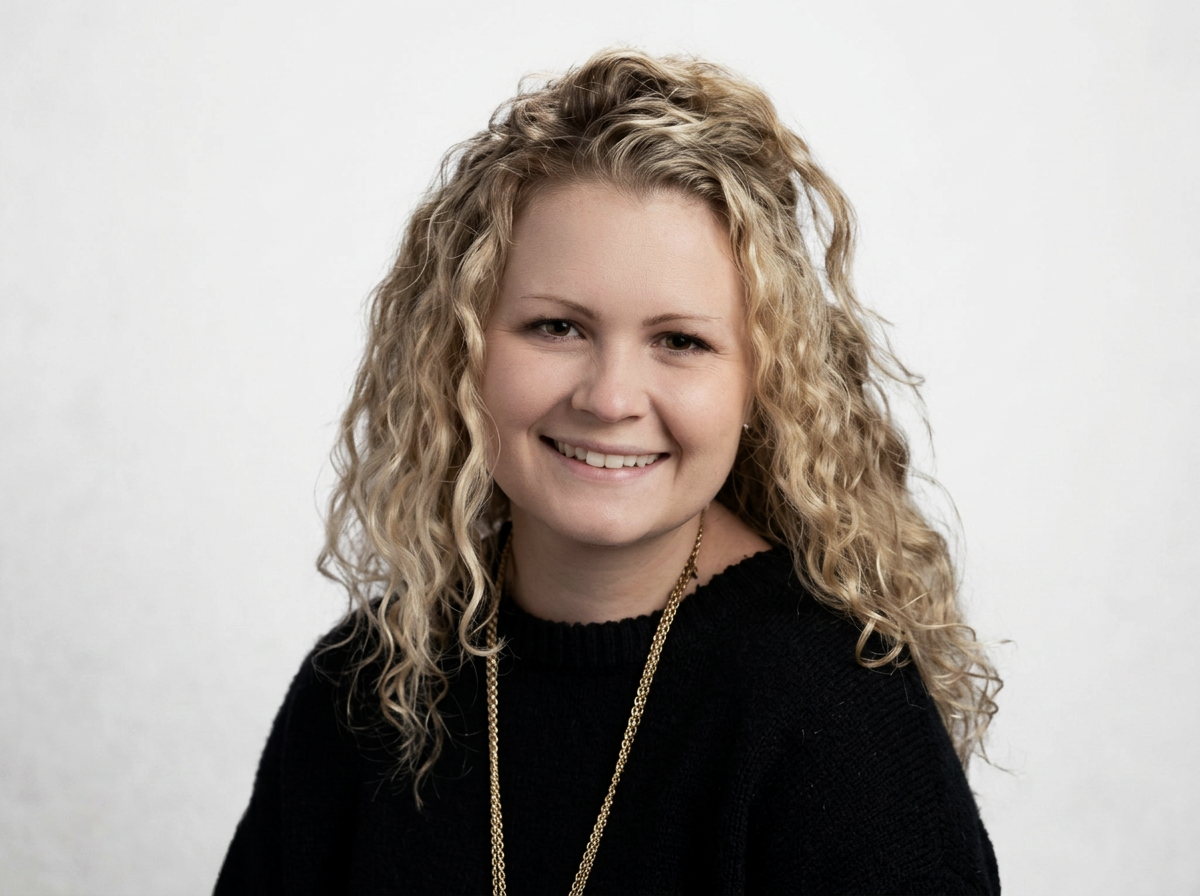
I am a Board Certified Behavior Analyst with experience supporting children with complex behavioral, emotional, developmental, and educational needs across a wide range of settings.
My professional background spans urban and suburban public schools, residential education programs, in-home and center-based ABA, intensive residential treatment, and crisis stabilization. I have worked with children experiencing significant behavioral and emotional distress, aggression, self-injury, elopement, school refusal, regulation difficulties, safety concerns, and repeated crises.
My roles have involved conducting behavioral assessments and observations, developing behavior support recommendations, leading interdisciplinary team meetings, providing caregiver and staff training, supporting educational and treatment planning, reviewing behavioral and incident data, and coordinating with professionals across disciplines.
I have worked alongside caregivers, teachers, special education teams, clinicians, behavior analysts, direct-care staff, program leadership, outpatient providers, and multidisciplinary treatment teams. I have also supported children and teams through changes in placement, transitions between levels of care, hospital and crisis involvement, and other periods when needs have become more complex or intensive.
That experience has given me the opportunity to see behavioral support from many different perspectives—from the child and caregiver to the classroom, treatment team, and larger systems responsible for supporting them.
BACKGROUND & EXPERIENCE
My experience has been shaped by working with children whose needs do not always fit neatly within one diagnosis, setting, or system. It has also meant working closely with the caregivers, educators, clinicians, providers, and teams responsible for supporting them.
The areas below reflect the range of experiences that continue to inform how I understand complex situations, work alongside the people involved, and approach the needs of the child within the context of their everyday life.
Experience That Informs the Work
-
I have worked with children experiencing acute significant physical and verbal aggression, self-injury, elopement, property destruction, unsafe behavior, prolonged escalation, shutdown, refusal, and difficulty recovering after distress.
Much of this work has involved situations where behavior significantly affected safety, learning, relationships, participation, or a child’s ability to remain successfully engaged in home, school, or treatment environments. Working with children at this level of intensity has given me experience looking beyond the behavior itself to understand the patterns developing around it.
-
A significant portion of my career has involved supporting autistic children across a wide range of support needs, including children diagnosed across Autism Levels 1–3. I have also worked extensively with ADHD, developmental differences, learning disabilities, language and communication needs, executive-functioning challenges, and complex diagnostic profiles.
Many children I have supported have had multiple needs occurring at the same time, including anxiety, depression, PTSD, ODD, and significant regulation difficulties. Years of working within ABA have also shaped how I understand both its strengths and its limitations—particularly the importance of using behavioral principles in ways that account for communication, development, mental health, individual differences, and the context in which behavior occurs.
-
I have worked with children whose needs occur alongside trauma, attachment disruption, instability, loss, chronic stress, disrupted caregiving relationships, placement changes, and repeated crises.
This experience has required attention to how a child’s history may influence trust, felt safety, relationships with adults, responses to limits or expectations, need for control, and ability to regulate during stressful situations. It has also reinforced the importance of considering trauma and lived experience as part of the picture without assuming they are the sole explanation for behavior.
-
I have worked within urban and suburban public schools and residential education programs with children whose needs affected their ability to access education consistently. This has included school refusal, avoidance, shutdown, repeated removals or suspensions, shortened school days, difficulty entering or remaining in class, and behavior that significantly interfered with learning or participation.
My work has also involved reviewing and working with IEPs, evaluations, FBAs, behavior intervention plans, goals, accommodations, services, progress data, staffing, and educational programming. I have helped caregivers better understand school-based plans and records, identify questions to bring to the Team, and participate more confidently in conversations about their child’s needs and supports.
-
My work has included supporting children and caregivers navigating DCF involvement, foster care, adoption, kinship care, separated or divorced parents, changes in placement, and situations involving multiple adults in caregiving or decision-making roles.
These circumstances can create very different routines, expectations, relationships, resources, and perspectives around the same child. Working within these family systems has given me an understanding of how important it is to consider not only what a child may need, but also the realities of the caregivers and environments responsible for providing that support.
-
A significant part of my work has involved training and supporting caregivers, educators, direct-support professionals, behavior technicians, residential staff, and multidisciplinary program teams.
This has included helping adults understand behavioral patterns and support plans, use prevention and teaching strategies, respond more consistently during difficult situations, and troubleshoot when an approach is not working as expected.
This experience has shown me that adults need more than a written plan. They need to understand why a recommendation is being made, how to use it, and how to adapt when the real situation is more complicated than what was anticipated on paper.
-
I have worked across school, behavioral health, outpatient, in-home, community-based, crisis, hospital, residential, DCF, and other state service systems—often when several were involved with the same child at the same time.
This has included helping families and teams understand the role of different providers and services, identify possible next steps, navigate referral pathways, coordinate information, and clarify how supports such as CBHI, DMH, outpatient treatment, crisis services, and higher levels of care may fit within a child’s broader system of support.
-
Years of my work have involved conducting behavioral assessments and developing, implementing, monitoring, and revising individualized behavior support plans across a wide range of child-serving environments.
This work has required looking closely at what is happening before, during, and after behavior; comparing information across people and settings; and using those patterns to guide individualized support planning.
My experience has also included developing and strengthening broader behavioral systems, including staff training and supervision, crisis-response practices, documentation and data processes, team communication, and program-wide behavioral approaches.
Working at both the individual and program level has given me experience recognizing when a plan needs to change, when implementation is breaking down, and when the larger system surrounding a child may be contributing to the problem.
-
My background includes working with children who have experienced emergency evaluations, psychiatric hospitalization, CBAT admissions, inpatient treatment, crisis stabilization, residential treatment, and transitions between levels of care.
I have worked with children and teams during periods when needs were rapidly changing, safety concerns were increasing, or decisions had to be made about what type or intensity of support was needed next. This has also provided perspective on the challenges that can occur when a child moves between highly structured treatment environments, school, community services, and home.
-
Across my roles, I have led and participated in team meetings involving caregivers, educators, BCBAs, clinicians, direct-support professionals, administrators, outpatient and in-home providers, hospital and residential staff, advocates, attorneys, and program leaders.
In complex cases, each person may be seeing a different part of the same child. My work has often involved bringing those perspectives together, identifying where information aligns or conflicts, clarifying priorities, and helping teams develop a more shared understanding of what is happening and what may need to happen next.
FIND SUPPORT THAT FITS
Learn more about Independent Educational Evaluations (IEE) for Functional Behavioral Assessment (FBA) or explore Caregiver Consultation & Coaching for individualized support outside of the school evaluation process.